







Search Results for: high concentration low extraction

What exactly is high-concentration, low-extraction? Master this approach to brew coffee without bitterness.
Many coffee enthusiasts encounter the term "high concentration, low extraction" when reading Front Street Coffee articles or others' brewing分享, but the explanations they find are often packed with confusing data. This article breaks down this complex theory into plain, easy-to-understand descriptions: first, it explains that high concentration, low extraction is not a fixed technique but a brewing concept and outcome; then, with the help of the Golden Cup extraction chart, it clarifies the two core concepts of "concentration" and "extraction yield"; finally, it explains why, when dealing with dark-roasted, anaerobically processed, or extraction-sensitive beans, one needs to lower the extraction yield while increasing concentration, and how this concept is specifically reflected in Japanese-style brewing. [more…]
Pour Over Coffee Flavor | What Does High Concentration, Low Extraction Mean in Pour Over Coffee? Which Coffee Beans Are Suitable for High-Concentration, Low-Extraction Brewing?
Here it comes, here it comes. Today Front Street is going to share with you a brewing approach—high concentration, low extraction. This brewing method can minimize the bitterness of the coffee to the greatest extent, bringing the coffee to a nice flavor performance. What is high concentration, low extraction? Front Street will give a brief introduction here; it all still has to start from this "Golden Cup extraction [more…]
How can pour-over coffee highlight sweetness? A detailed explanation of the high-strength, low-extraction approach and practical parameter settings.
For many people, the most important thing about drinking coffee is that sweetness, but bitterness always easily barges in and ruins the party. In fact, coffee flavors are released in a sequence—sweetness and acidity come first, bitterness and off-flavors later. As long as you stop before bitterness dissolves out in large amounts, you can get a cup dominated by sweetness. This is the "high concentration, low extraction" approach we're discussing today: push the concentration higher while keeping the extraction yield at a suitably low level, so sweetness stands out and bitterness is suppressed. Below, we'll start with the Golden Cup extraction standard, explain what high concentration, low extraction is, its origins in Japanese dark roast brewing, and provide a directly usable pour-over recipe for light roasts. [more…]
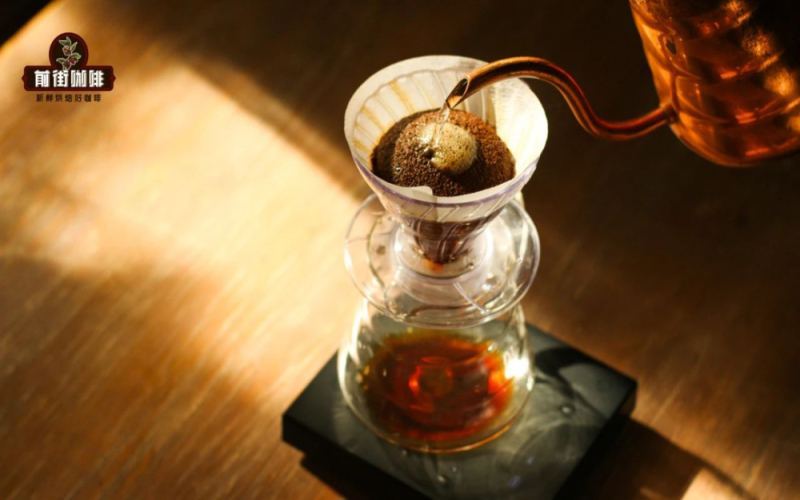
High-Concentration Low-Extraction Brewing Method Explained: Strategies for Increasing Pour-Over Coffee Concentration and Water Dilution Adjustment Techniques
In the world of pour-over coffee, "high concentration, low extraction" is gradually becoming a highly regarded brewing approach. What it pursues is giving the coffee liquid a higher concentration while keeping the extraction yield at a lower level, thereby leaving ample room for subsequent adjustments. The core of this method lies in flexibly using the coffee-to-water ratio, actively or passively changing the extraction conditions. Unlike the traditional "high extraction" approach, high concentration, low extraction places more emphasis on the coffee's margin for error—even if the concentration is on the high side, it can be easily corrected by diluting with Bypass water, avoiding a cup that is hard to drink. This article will thoroughly analyze the operational details of this brewing concept and, combined with Front Street Coffee's practical experience, help you master the complete framework of high concentration, low extraction, and make a stable and delicious pour-over. [more…]
Pour-Over Coffee High Concentration Low Extraction Approach Explained: How the Coffee-to-Water Ratio Affects Drip Coffee Flavor
In the world of pour-over coffee, the balance between extraction yield and concentration has always been a focal point for enthusiasts. This time, Front Street Coffee brings a brewing approach called "high concentration, low extraction," aimed at suppressing bitterness as much as possible while allowing the coffee to present a satisfying layering of flavors. So, what exactly is high concentration, low extraction? How is it related to the Golden Cup extraction range? And how should the coffee-to-water ratio be adjusted to achieve it? Starting from Front Street's hands-on experience and combining it with a brewing case of Golden Mandheling, this article will break down in detail the principles, key operational points, and applicable scenarios of this method, helping you find an extraction direction in your daily pour-over that better suits your own taste. [more…]
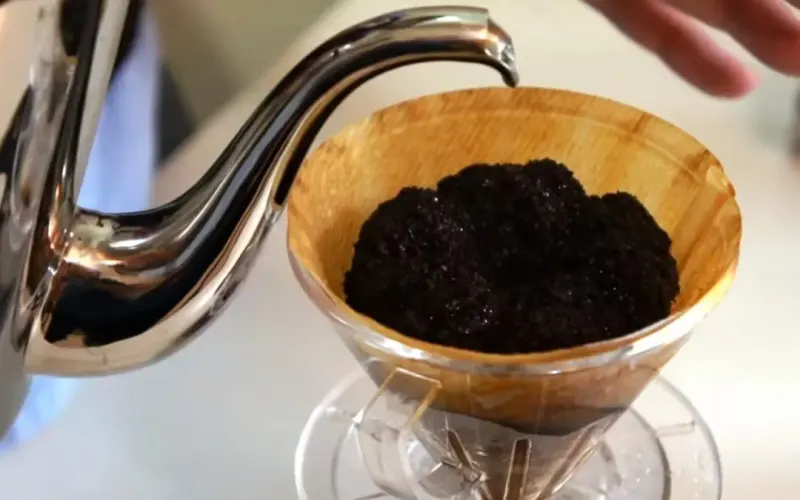
What Is High-Strength, Low-Extraction in Pour-Over Coffee? Japanese Dark Roast Brewing Principles and Practical Parameters Explained
Friends who enjoy Japanese-style dark roast coffee often notice a pattern: a large dose of grounds with a small amount of water produces a cup that is rich but not bitter. This approach has a professional name today—high concentration, low extraction. It is both a summary of past Japanese brewing traditions and an effective way to avoid the bitterness of dark-roasted beans. This article will start from the principles, explaining why Japanese brewing favors a large dose and a low extraction rate, and how doing so simultaneously enhances body and flavor intensity. Then Front Street will use PWN Golden Mandheling as an example to share a set of iced high-concentration, low-extraction practical parameters, including dose, ratio, grind, water temperature, and staged pouring, to help you easily recreate a classic dark roast flavor. [more…]

How Are the Gold Cup Extraction Yield and Strength Calculated for Pour-Over Coffee? Recommended Coffee-to-Water Ratios and an Analysis of the Evolution of SCA Standards
Many coffee enthusiasts have heard of the Golden Cup extraction theory: ideal concentration 1.15%-1.35%, ideal extraction yield 18%-22%. But this standard actually comes from the SCAA, not the SCA; the European and American coffee associations each have their own positions on ideal concentration. After the SCAA and SCAE merged in 2017, the UC Davis Coffee Center made slight adjustments to the old brewing control chart, loosening the upper concentration limit and the brew ratio range. This article will start with the history of the Golden Cup theory, sort out the differences between the old and new control charts, explain why high concentration with low extraction can highlight acidity while low concentration with high extraction can bring out floral and chocolate notes, and, combined with product information from Front Street Coffee, help you understand how concentration and extraction yield should be judged together, rather than fixating on a single number. [more…]
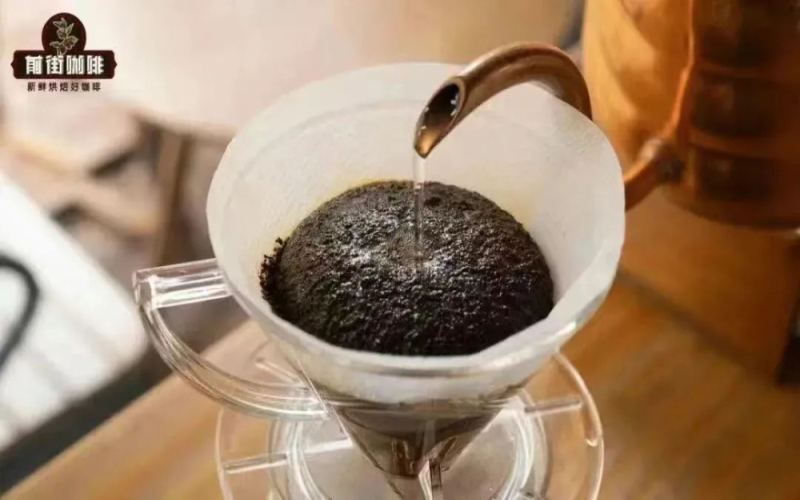
Why Does Japanese Hand-Drip Coffee Favor a Large Dose? Analyzing the Extraction Logic of High Concentration and Low Extraction
Japanese-style pour-over often uses a large dose of 20g or more—what extraction logic lies behind this? Starting from the characteristics of the dark-roasted beans favored by the Japanese, this article explains why they dislike bitterness, why they choose a coarse grind, and how a large dose slows the flow and increases concentration by thickening the coffee bed, ultimately forming a "high concentration, low extraction" style. The article also compares the differences between the Japanese-style coffee-to-liquid ratio and the conventional coffee-to-water ratio, and points out how a long extraction time, combined with a large dose, brings out caramel aroma and a highly sweet, lingering finish. If you are interested in the unique methods of Japanese brewing, or want to understand the concept of high concentration, low extraction discussed by Front Street Coffee, this article will give you clear answers. [more…]
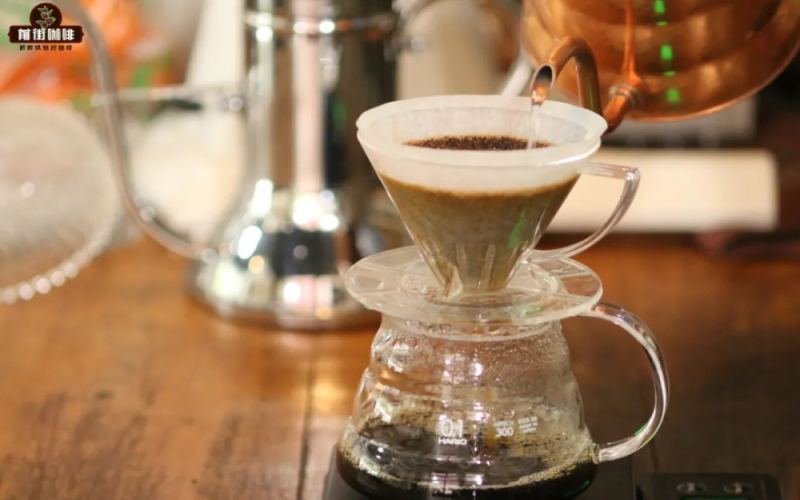
Analyzing the Relationship Between Extraction Yield and Strength in Pour-Over Coffee: From the Golden Cup Theory to Brewing Parameter Adjustment Plans
The extraction yield and concentration of pour-over coffee are core concepts that every enthusiast cannot avoid. Extraction yield describes the proportion of soluble substances in coffee beans that are carried out by water, while concentration reflects the percentage of dissolved substances in the coffee liquid. The two are mathematically related through the weight of the coffee liquid and the weight of the coffee grounds, and the extraction yield can be calculated using a refractometer. Understanding the interaction between these two indicators can help us predict flavor trends during brewing and quickly pinpoint the root cause of problems when tasting undesirable flavors such as burnt bitterness, sharp acidity, wateriness, or hollowness. This article starts from Front Street's staged brewing experiments to sort out the logic of changes in extraction yield and concentration, and combines parameters such as coffee-to-water ratio, grind size, and water temperature to provide specific adjustment ideas for under-extraction and over-extraction. [more…]
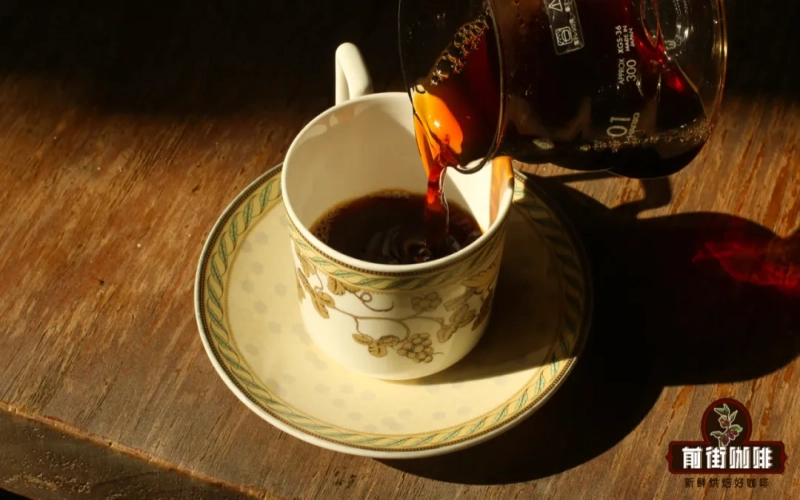
Dark Roast Pour-Over Coffee Complete Guide: High Concentration, Low Extraction Techniques to Enhance Rich Sweetness and Sweet Aftertaste
The charm of dark roast coffee lies in its rich aroma, smooth and full-bodied taste, and long-lasting sweet aftertaste, but avoiding over-extraction while preserving these qualities is no easy task. Drawing on Front Street's practical experience, this article explains how to suppress bitterness and enhance sweetness by adjusting filter materials, controlling extraction parameters, and applying a "high concentration, low extraction" strategy. It shares in detail a brewing example using Golden Mandheling beans and non-woven filter paper, including key parameters such as the coffee-to-water ratio, water temperature, and grind size, as well as the specific steps for three-stage pouring. By following along, you too can brew a cup of dark roast coffee with a captivating aroma and a pronounced sweetness at home. [more…]
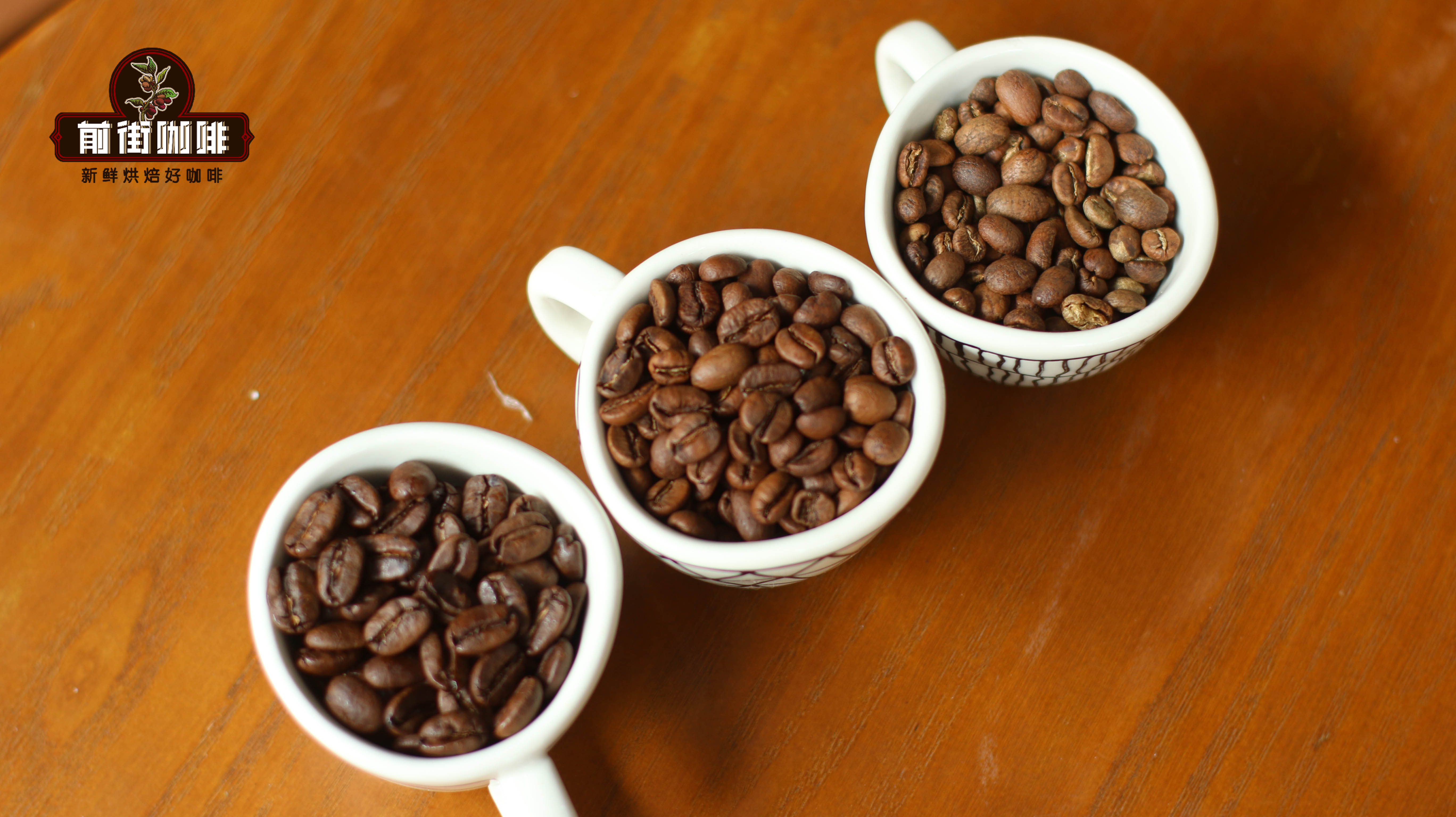
How to drink and brew dark roast coffee grounds and coffee beans? A detailed explanation of the high-concentration, low-extraction method and parameters that bring out a prominent sweet aftertaste
Deeply roasted coffee beans, due to sufficient caramelization, often present a richer mellow sweetness and caramel aroma. However, if brewed improperly, bitterness can easily overpower the sweet aftertaste. This article begins with the flavor characteristics of dark-roasted coffee and introduces how to better present the sweetness and sweet aftertaste of dark-roasted coffee through bean selection and brewing methods. It focuses on a Japanese-style high-concentration, low-extraction approach commonly used by Front Street Coffee, and provides specific brewing parameters and staged pouring steps for using Front Street Coffee Jamaica Blue Mountain No. 1 coffee, including coffee dose, coffee-to-water ratio, water temperature, grind size, dripper, and time, helping coffee enthusiasts brew a cup of dark-roasted coffee at home with moderate concentration and a pronounced sweet aftertaste. [more…]

Pour-Over Coffee Sweetness Enhancement Guide: The "High, Fine, Large, Fast" Four-Word Formula and the High-Concentration, Low-Extraction Approach for Dark Roasts
Most of the sugars in coffee beans have already been transformed and degraded during roasting, and the remaining sweet-tasting molecules are easily masked by flavors such as acidity and bitterness. In this article, Front Street will break down the underlying principles of high-sweetness extraction and explain in detail the four-character brewing formula of "fine, high, large, fast"—grinding finer, raising the water temperature, increasing the flow rate, and speeding up extraction—using medium-light roasted beans as the experimental subject, demonstrating step by step the specific parameters and techniques for each stage; for medium-dark roasted beans, which are loose in texture and cannot withstand aggressive extraction, the "high concentration, low extraction" approach is recommended, paired with a Kono dripper and a simple one-pour technique, which can likewise brew a cup of coffee with full sweetness and restrained bitterness. At the end, the article also introduces diverse extraction methods such as variable-temperature brewing, for enthusiasts to try freely. [more…]
Same Beans, Different Taste? An In-Depth Analysis of the Extraction Differences and Flavor Comparison Between Cold Brew Coffee and Iced Pour-Over
Many coffee enthusiasts have wondered: why do cold brew and iced pour-over made from the same coffee bean taste so different? Front Street Coffee once conducted a comparative experiment with Huakui 8.0, and the results were surprising. This article will systematically analyze the core differences between cold brew coffee and pour-over coffee from the perspectives of extraction water temperature, extraction method, and concentration changes, explaining why low-temperature slow extraction brings a rounder acidity, a fuller body, and a unique fermented aroma, while high-temperature fast extraction retains richer aromatic layers. If you also want to understand the essential difference between these two brewing methods, read on. [more…]

A Complete Guide to Tetsu Kasuya's One-Pour Brewing Method: A Minimalist Pour-Over Approach Rooted in the High-Concentration, Low-Extraction Philosophy
World champion Tetsu Kasuya proposed a brewing method called "one-pour" in 2019, advocating pouring all the target water at once, skipping the blooming step and making pour-over extremely simple. However, it is often mistaken for the single-pour method, when in fact the two are clearly different. This article will comprehensively break down the characteristics of one-pour brewing from its principles, parameters, and operation process to actual measurement comparisons, and use Panama Boquete Geisha as a sample to compare the flavor performance after one-pour and single-pour brewing. At the same time, Front Street Coffee will also sort out five key details to note in one-pour brewing to help coffee lovers avoid misunderstandings. [more…]
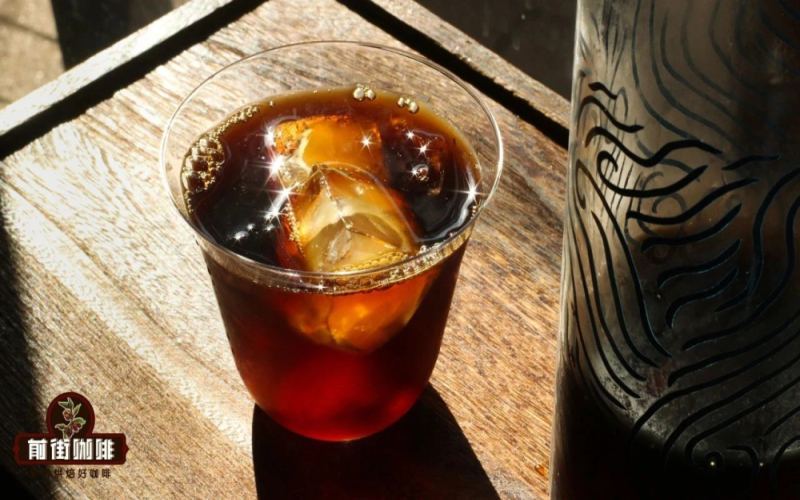
Why Do the Same Beans Taste So Different? A Deep Dive into the Extraction Differences Between Cold Brew and Pour-Over Coffee
Many coffee enthusiasts at Front Street stores order both a cold brew and an iced pour-over made from the same beans, yet are often surprised by the huge gap in flavor between the two after drinking them. Why does the same coffee bean produce such an obvious difference in the resulting cup? This article will systematically sort out the core differences in brewing principles between cold brew and pour-over from multiple dimensions such as extraction water temperature, extraction method, and concentration differences, and combine a comparative experiment conducted by Front Street using Huakui 8.0 to help you understand the taste expressions brought by low-temperature slow extraction and high-temperature fast extraction, as well as the scientific logic behind these differences. [more…]
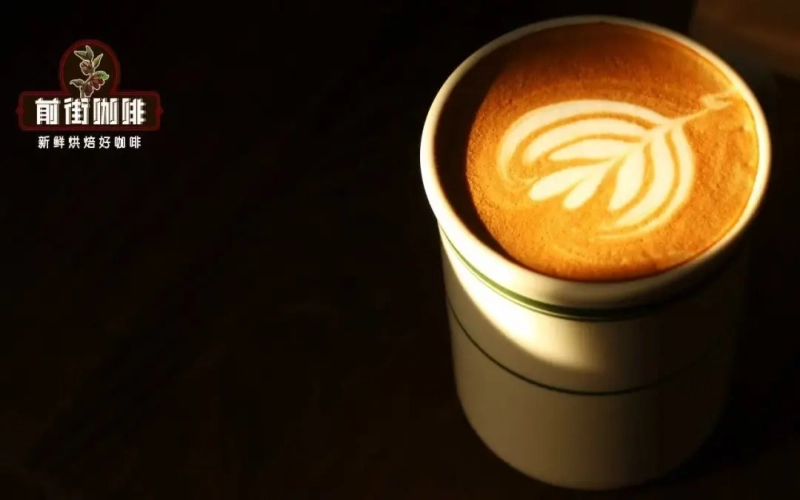
What is the core difference between a flat white and a latte? A detailed explanation of the key techniques for making Ristretto short-pull espresso.
Although flat white and latte both belong to the category of milk coffee, the approach to making the base espresso is completely different. Flat white uses a Ristretto short extraction, that is, a concentrated version with high concentration and low extraction yield. Many enthusiasts mistakenly believe that simply pulling a little less liquid from a regular espresso is enough, but in practice this often leads to under-extraction and a lack of sweetness. Starting from Front Street's hands-on experience, this article analyzes the correct extraction logic of Ristretto, focusing on how to balance concentration and extraction yield by adjusting the grind size, and includes the specific parameters and flavor performance of Front Street's classic espresso blend to help you make a cup of flat white that is rich but not bitter. [more…]
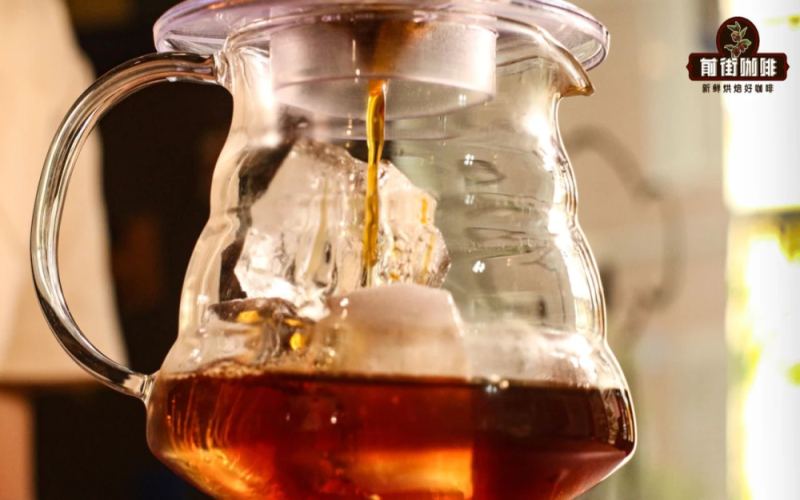
Cold Brew Black Coffee Recommendations | What Is the Extraction Principle of Cold Brew Coffee? How to Increase Cold Brew Coffee Concentration? Is Dark Roast Mandheling Suitable for Cold Brew?
The happiness of summer is probably being able to stay indoors, enjoy the air conditioning, and still sip a cup of cold brew coffee that beats the heat. Because it's so easy to make, even those who don't know how to brew coffee can effortlessly whip up a smooth, rich, full-flavored, clean and refreshing iced coffee that's perfect for summer. Another [more…]
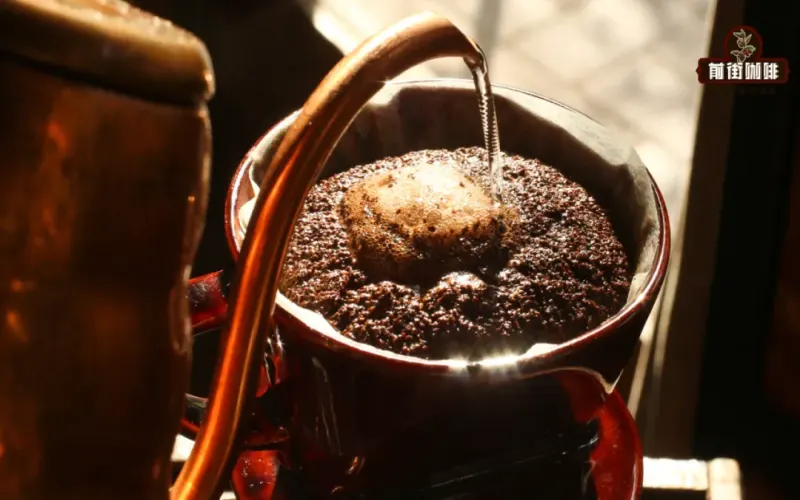
The Classic Japanese Hand-Drip Volcano Method: The Principles Behind High Sweetness in Dark Roast Coffee and Complete Step-by-Step Instructions
The volcanic pour is a highly distinctive brewing method within the Japanese hand-brewing system, named for the way the coffee bed rises and bubbles like a volcanic eruption during extraction. It is designed specifically for dark-roasted coffee, relying on a small stream of water, multiple intermittent pours of small volumes, and a high-concentration, low-extraction approach to ultimately present a cup of coffee with pronounced sweetness and a rich, smooth body. Starting from Front Street's experience shared on multiple occasions, this article provides an in-depth analysis of the underlying logic of the volcanic pour: why it can create a volcanic eruption-like spectacle, why only dark-roasted beans are up to the task, and how high concentration with low extraction avoids bitterness and improves extraction efficiency. The article also provides complete brewing parameters and a practical demonstration using Front Street's Golden Mandheling, guiding you step by step through this brewing experience that is both visual and gustatory.【图片1】【图片2】【图片3】【图片4】【图片5】【图片6】【图片7】【图片8】【图片9】【图片10】【图片11】 [more…]
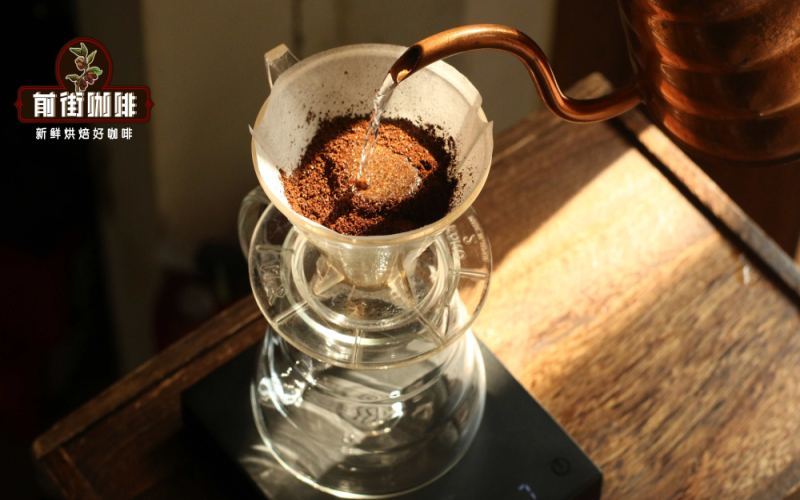
Center Pour vs. Spiral Pour in Pour-Over: Analysis of Extraction Efficiency, Flavor Differences, and a Combined Three-Pour Approach
The pouring method in pour-over coffee has a significant impact on the extraction result. Through comparative experiments, Front Street Coffee found that under low-flow conditions, center-pour single-pour extraction actually achieved a higher extraction yield than spiral pouring, due to two factors: heat retention and the contact area of the coffee bed; however, in terms of flavor performance, center pouring showed a concentrated, imbalanced character with bitterness. When switching to a three-stage pour, spiral pouring then surpassed center pouring. Based on these findings, a three-pour approach combining spiral and center pouring became a practical choice that balances even extraction with flavor cleanliness. This article presents the complete experimental data and principle analysis to help coffee enthusiasts understand the suitable scenarios for different pouring strategies. [more…]
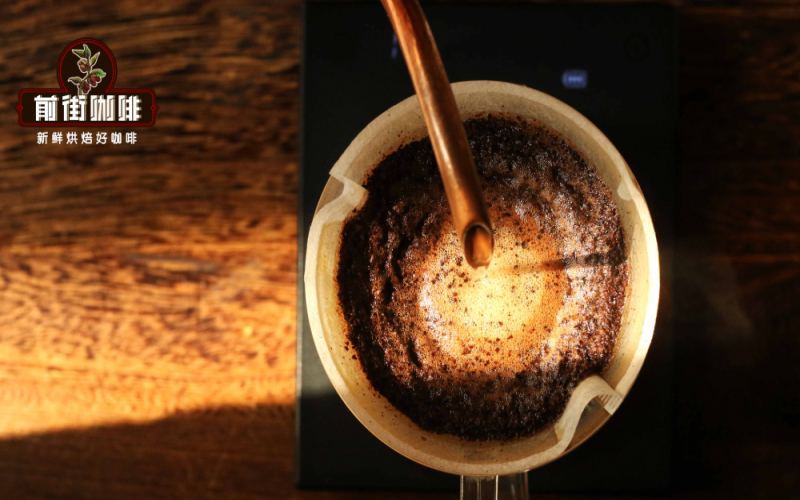
Pour-over coffee tastes too weak and watery? Analyzing the causes and adjustment methods from two aspects: under-extraction and low concentration.
Many coffee enthusiasts have encountered the situation during pour-over brewing where the coffee tastes bland and drinks like water, and even experienced veterans find it hard to completely avoid. There are two main categories of reasons why coffee turns out too weak: one is under-extraction, and the other is too low concentration. Starting from Front Street Coffee's brewing experience, this article first helps you determine whether the coffee beans you've chosen match your taste preferences, then takes a deeper look at how under-extraction and too-low concentration each manifest and what causes them, and offers specific adjustment ideas for parameters such as grind size, water temperature, coffee-to-water ratio, and brewing time. As long as you understand the underlying logic of extraction, no matter whether the coffee is too strong or too weak, you can quickly identify the problem and correct it. [more…]